

Latest stories
AG calls for collective responsibility in holding government accountable
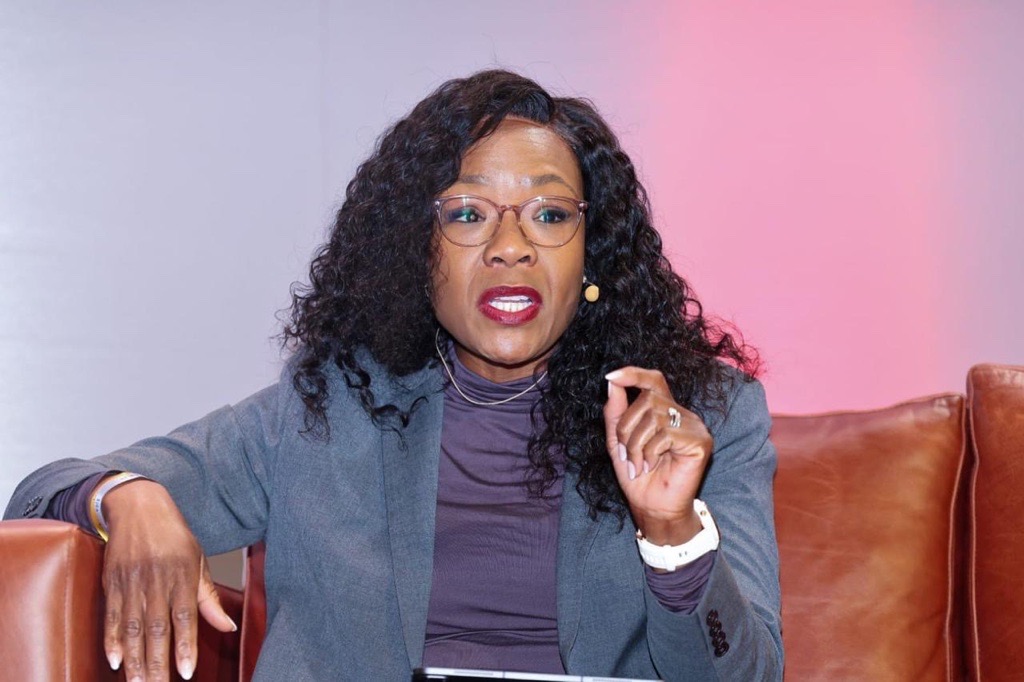
Cape Town, 11 September 2026 — Auditor-General Tsakani Maluleke has called for citizens to play a more active role in holding municipalities accountable, emphasising that building functional and responsive municipalities is a shared responsibility.
The auditor-general joined industry leaders and policymakers at The Gathering, an annual event hosted by Daily Maverick in partnership with Ninety One in Cape Town, where she participated in a panel discussion alongside Songezo Zibi, Chairperson of Parliament's Standing Committee on Public Accounts. The discussion explored the state of South Africa's metros and the complex challenges facing the country's major cities.
Reflecting on what she wished more people understood about dysfunction in municipalities, the auditor-general emphasised that the challenges extend beyond administrative failures and cannot be placed solely at the door of the municipal manager.
"When a municipality does not function, we should not turn only to the municipal manager. It's a start, but we must look at the role of the mayor. We must look at the role of the speaker, who must work together to ensure that council functions in fulfilling its duty. And remember, it is us as citizens, as residents, as voters, who elect the representatives that must represent our interests in council," said Maluleke.
Citizens have a role to play beyond expecting services
The AG stressed that citizens also have a role to play beyond expecting services from municipalities. This includes making their needs and expectations known, understanding how municipal priorities are determined, and actively monitoring whether these priorities are being implemented.
"It is us who must participate in ensuring that the municipality understands and knows our demands, our needs and wants from a service delivery point of view. It is us who must then track how these priorities are operationalised by the municipality," said Maluleke.
The auditor-general encouraged citizens to become more conscious of both their rights and responsibilities when it comes to accountability. "I wish that many of us were conscious of our responsibilities and our rights to demand accountability, to not just expect service delivery, especially when it doesn't happen, to participate much more effectively, to make choices, but also to participate much more effectively in terms of how the municipality functions in our interests."
The discussion also reflected on the latest audit outcomes for South Africa's eight metros. Maluleke indicated that no metro received a clean audit in the 2024–25 financial year. A clean audit, she explained, reflects credible financial statements, credible performance information and compliance with applicable laws and regulations.
Compliance remains a challenge across all metros, particularly in the procurement of goods and services. The auditor-general noted that this raises broader concerns about the consistent application of the rule of law and the ability of municipalities to build strong institutional foundations.
She highlighted leadership stability as an important factor in building institutional integrity, noting that institutions cannot thrive when leadership changes every six months or every year. "Tenure makes a big difference," she said, pointing to the AGSA's experience in tracking the performance of municipalities over time. Better performing institutions tend to have greater stability at leadership level, including among mayors, municipal managers and chief financial officers. "Instability is a major problem," said the auditor-general.
The auditor-general also called for visible, swift and courageous consequences when things go wrong in municipalities. Accountability, she emphasised, requires not only identifying weaknesses, but ensuring that there are consequences and that institutions have the stability and leadership needed to address persistent challenges.
The discussion reinforced a central message: building accountable, functional municipalities is not the responsibility of government alone. It requires active participation from political and administrative leadership, oversight bodies and, importantly, citizens themselves.