

Latest stories
AG says SAIs must turn data into usable intelligence
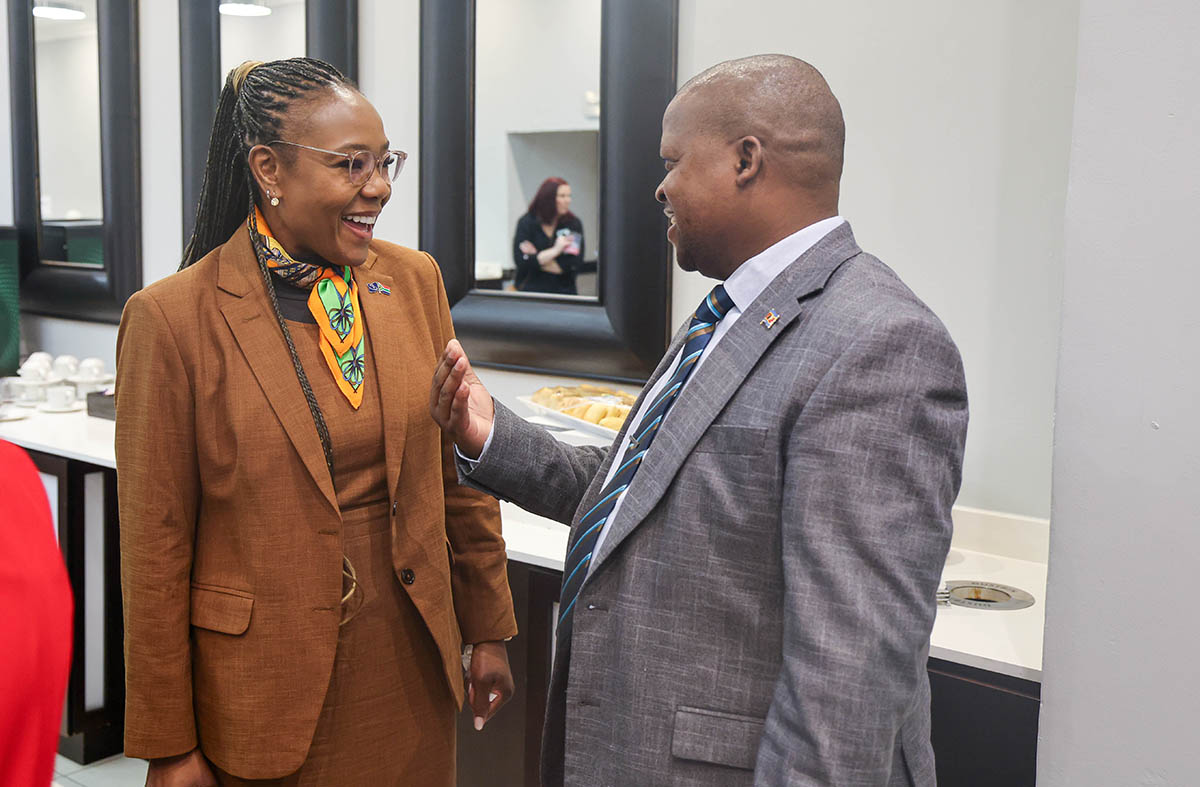
Auditor-General (AG) Tsakani Maluleke delivered a keynote address at the Afrosai-E Technical Conference in Johannesburg, held from 6 to 8 October, under the theme Strategic intelligence for stronger governance. The conference brought together supreme audit institutions (SAIs), development partners and key stakeholders to share insights, address emerging challenges and strengthen technical capacity across the region.
Speaking on the topic From audit evidence to strategic intelligence, the AG encouraged SAIs to derive greater value from the evidence generated through their audit work. She emphasised the importance of using audit evidence to deepen understanding of the governance environment, anticipate emerging risks and inform audit processes to strengthen accountability.
She then highlighted the interconnectedness of the conference’s three focus areas: insight, foresight and oversight. “We must deliberately transform audit evidence into insight, insight into intelligence, intelligence into influence and influence into public value,” said the AG.
She further explained that SAIs are uniquely positioned to generate deeper insights because each audit provides evidence about the institutions being audited. Collectively, this work offers a broader view of the public sector, revealing patterns, systemic challenges and underlying risks. However, she cautioned that this wider perspective does not emerge automatically; SAIs must be deliberate in how they analyse and connect the evidence they gather.
“Over the past several years, I have had the opportunity to engage with political and administrative leaders, legislatures and oversight institutions across South Africa. Those engagements have reinforced a lesson that is becoming increasingly important for all of us who are entrusted with public accountability: information is not the problem. We have an overload of information and data. The greater challenge is whether the information available is understood, connected and converted into timely action. It is our duty to mine and convert data into usable intelligence,” she remarked.
The AG explained that the Auditor-General of South Africa (AGSA) consolidates audit insights into general reports, highlighting patterns and themes that inform decision-makers, influence their responses and support meaningful action. These reports should not merely be viewed as reporting products, but as strategic intelligence products that contribute to stronger oversight and accountability.
“The true test of strategic intelligence is whether it contributes to action and public value,” she noted, pointing to the AGSA’s material irregularity process as an example of how audit evidence can translate into accountability action. While emphasising the importance of turning insights into action, the AG also clarified the boundaries of the SAI’s role.
SAIs do not make executive decisions on behalf of government, manage institutions on behalf of accounting officers, or replace legislatures, councils and executive authorities. Nor can their work alone guarantee improved public outcomes. Their responsibility is to provide credible, independent evidence; make risks and their consequences visible; identify patterns and root causes; and activate or support accountability mechanisms within their respective mandates.
The AG stressed that audit insights must be communicated in ways that are clear, accessible and actionable for those mandated to exercise oversight and promote accountability in government. Generating evidence is only part of the process; ensuring that the right people understand its significance and respond appropriately is equally important.
These sentiments were reinforced on the final day of the conference when Executive in the Office of the AG Harold Maloka participated in a panel discussion. Mr Maloka emphasised that audit findings have greater impact when their significance is clearly understood and those responsible can act on them. He noted that simplifying language and reducing the density of content should not compromise the evidence. Instead, these approaches make audit messages clearer and more accessible to the people who need to act on them.
For the AGSA, the responsibility does not end with the publication of a report. It extends to ensuring that audit insights are understood and acted upon to strengthen accountability and ultimately make a difference in the lives of citizens. Mr Maloka concluded with a message that captured the central theme of the discussions: “Evidence must move us from awareness to action.”